Co-founder. Exited. Now on your side of the table.

YOU DIDN’T RAISEA SEED TO BUILDA NICE PRODUCT.

You raised it to prove something, and the clock started the day the money landed. Most companies spend that runway being busy: shipping requests, chasing every deal, hiring against a plan that already changed. Now there is payroll, a board, and a number you have to hit. I co-founded Suridata, took it through enterprise security buyers, and sold it to Fortinet. I know where those months go. I help founders stop losing them.

Ongoing advisory, not one-off sessionsFor companies with customers and payroll
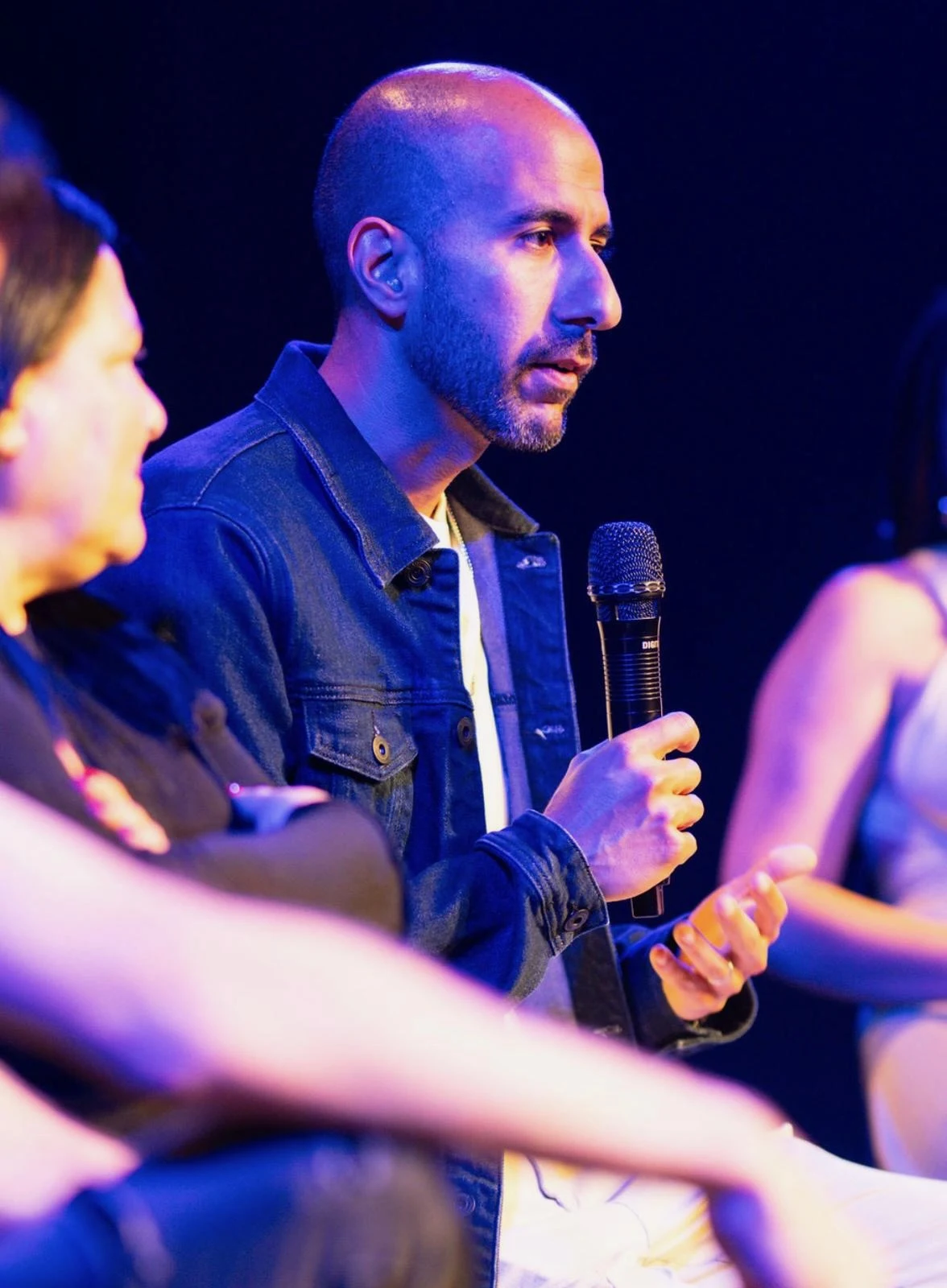
Haviv Ohayon speaking into a microphone during a blue-lit panel discussion.
Founder conversation
Keep reading
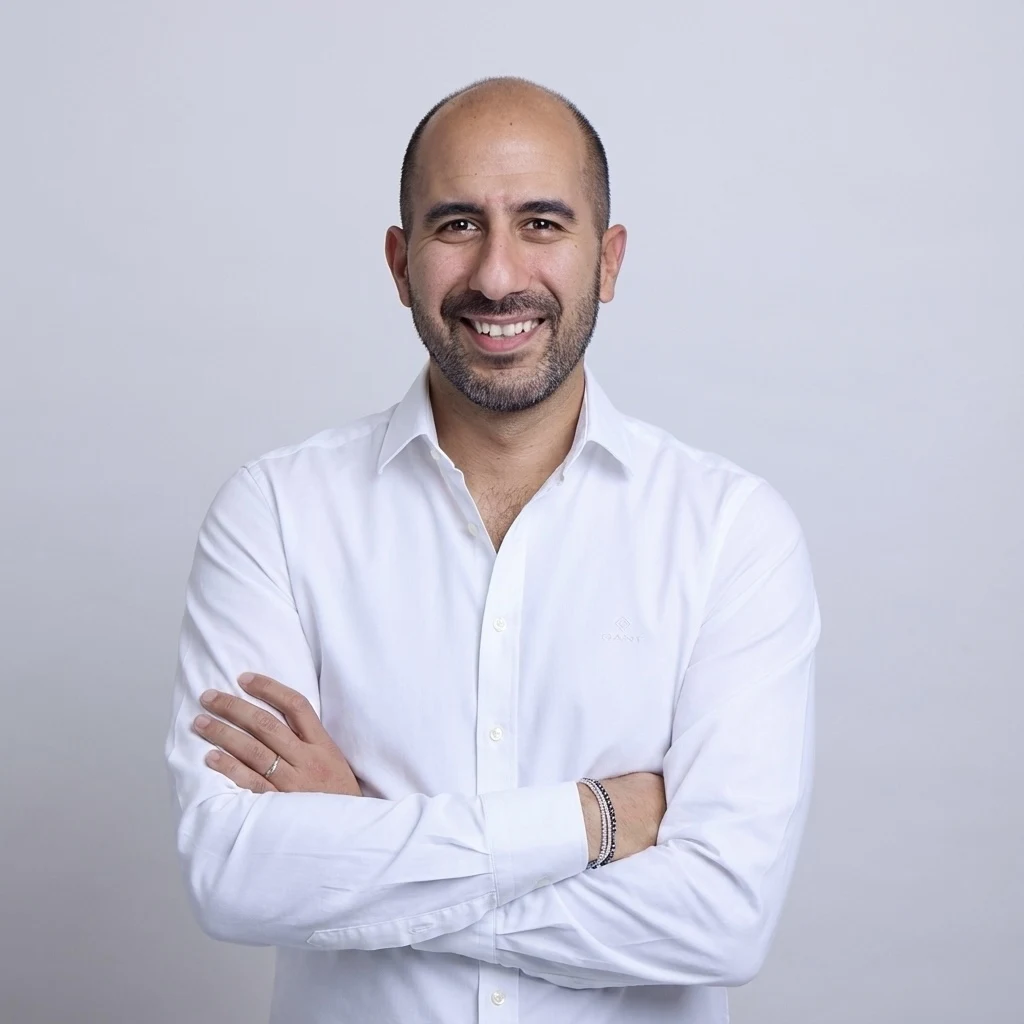
Portrait of Haviv Ohayon in a white shirt with his arms crossed.
Co-founder, CPO, and advisor to founders

I’ve sat in your chair.

I co-founded Suridata and led product as CPO, but the founder job was never just product. We had to pick a market before we were sure, earn trust from enterprise security buyers who had no reason to give it, price something that did not exist yet, hire people to run a plan we were still writing, and keep it all moving while the company changed underneath us.

Fortinet acquired us, and I spent the next stretch leading product inside a global security company. I do this full time now. The way I think has not changed. Start with the constraint. Stay close to the customer. Kill the assumption everyone is protecting. Make the tradeoff explicit so somebody can actually decide.

That is what I bring to founders who are already in it. Customers signed, people hired, money spent. Not a product opinion from the outside. A company-level read from someone who has already paid for the lesson.

  • Company building
  • Product and market
  • Go-to-market
  • Enterprise sales
  • Cybersecurity

YOU DON’T HAVE FOUR PROBLEMS.YOU HAVE ONE, AND IT KEEPS MOVING.

Momentum does not simplify a company. It multiplies it. A customer request outranks the roadmap because they are paying. A sales promise becomes a commitment engineering never agreed to. Two people you just hired wait on a decision nobody has made. The board wants a number that only exists if three other things go right. Every month costs real money now. More options, less room to be wrong.

I work with founders to find the one constraint everything else is downstream of, get the company aligned behind it, and turn it into a plan people can actually execute.

FIND WHAT IS ACTUALLY BROKEN

Most founders are solving the loudest problem, not the binding one. We find what is really holding the company back: product value, market focus, positioning, sales motion, adoption, team capacity, or the decision everyone is avoiding. Then we say it out loud.

Diagnosis · Priorities · Tradeoffs · Focus

MAKE TRACTION REPEATABLE

Three deals that look nothing alike is not product-market fit. Separate customer evidence that repeats from requests that happened once. Decide which market you are actually serving, what the product has to prove next, and where the roadmap stops reacting.

Customer evidence · PMF · Product · Roadmap

BUILD A GTM MOTION THAT REPEATS

Interest is not demand. Sharpen the buyer, the positioning, the offer, the price, the pilot, and the sales process until a first conversation has a predictable path to a signature, and you can explain why it worked.

Positioning · Pricing · Pilots · Sales

GET THE COMPANY POINTED ONE WAY

Strategy that lives in the founder’s head is not strategy. Connect product, GTM, customers, hiring, and execution to the specific milestones the company has to hit before the next round, and make sure every person can name them.

Team · Execution · Milestones · Next round

Working with me looks like this.

Ongoing advisory with a founder or a founding team. This is what I do full time now, not a side project between other things. Regular working sessions on whatever is actually blocking the company that month, not a fixed curriculum. Where the relationship earns it, an advisor or board seat comes on top.

It works best once there are paying customers, people on payroll, and a round you have to justify. That is when the decisions already cost something.

Start With One Conversation

Six things I’ve stopped arguing about.

Learned the expensive way, not the theoretical way. These are what I come back to every time a company mistakes momentum for a machine.

  • TRACTION IS A SIGNAL, NOT YET A SYSTEM.

    Early wins matter. The only question that matters next is which of them can repeat.

  • IT IS ALMOST NEVER JUST THE PRODUCT.

    Roadmap, positioning, sales, customers, and hiring are the same decision wearing different clothes.

  • CUSTOMER EVIDENCE SHOULD CHANGE THE PLAN.

    Repeated behavior beats internal confidence, and it beats the one loud request every time.

  • FOCUS IS A COMPANY DECISION.

    Choosing a market means choosing what you will not sell, will not build, and will not hire for.

  • INTEREST IS NOT DEMAND.

    Demand has urgency, budget, an owner, and a buyer willing to act. Everything else is a nice call.

  • THE NEXT ROUND IS NOT THE STRATEGY.

    Build the company that deserves the round, not the story engineered to raise it.

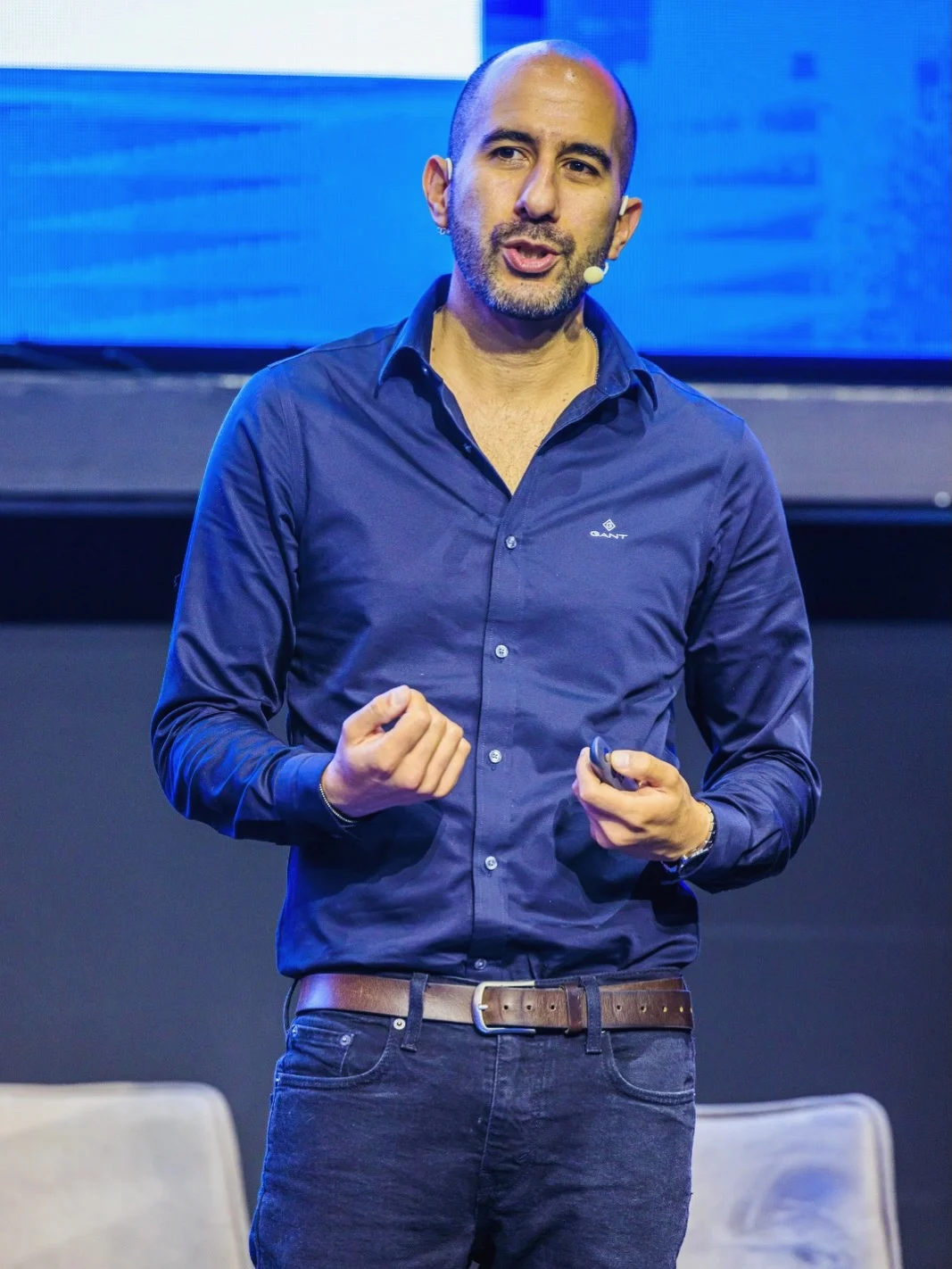
Haviv Ohayon speaking on stage with a headset microphone.
On stage, on the same subject

IDEA.
ENTERPRISE PRODUCT.
EXIT.

  1. Suridata

    CO-FOUNDER & CPO

    Co-founded Suridata and led product as CPO. Took it from a market thesis nobody had validated to an enterprise product, paying customers, a team, and an exit.

  2. Suridata + Fortinet

    ACQUIRED BY FORTINET

    Fortinet acquired Suridata. The product, the team, and the customer value we built went into a global security platform.

  3. Fortinet

    DIRECTOR OF PRODUCT MANAGEMENT

    Led product inside a global cybersecurity company: enterprise customers, product strategy, integrations, and AI-driven capabilities, at the scale most founders are building toward.

  4. Now

    ADVISING FOUNDERS FULL TIME

    Full-time advisory and advisor seats with founders who have raised, hired, and started selling, connecting product, GTM, customers, and team to the milestones that decide whether there is a next round.

  5. Before that

    KPMG: BUSINESS, TECHNOLOGY, CYBERSECURITY

    Led teams through enterprise and cybersecurity problems, and learned the thing most product people learn too late: how buying decisions actually get made, and how little of technology adoption is about the technology.

I say the same things on stage.

I speak about the part nobody puts in the deck: the stretch between early traction and a company that can carry weight. Finding the real constraint. Turning customer evidence into a decision. Selling into enterprises that do not need you. Committing before you are certain.

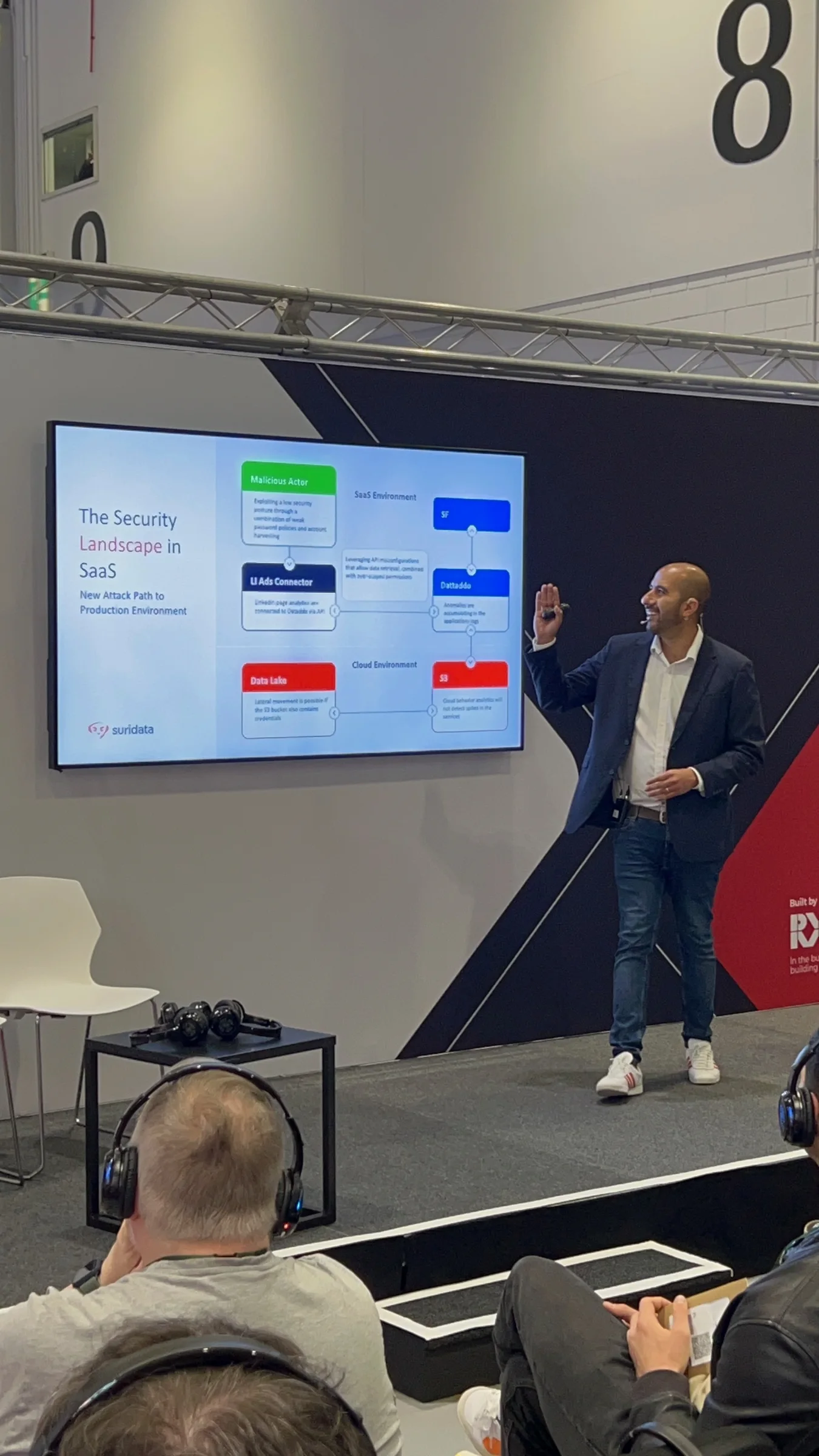
Haviv Ohayon presenting beside a conference screen.
Conference presentationProduct and market in practice
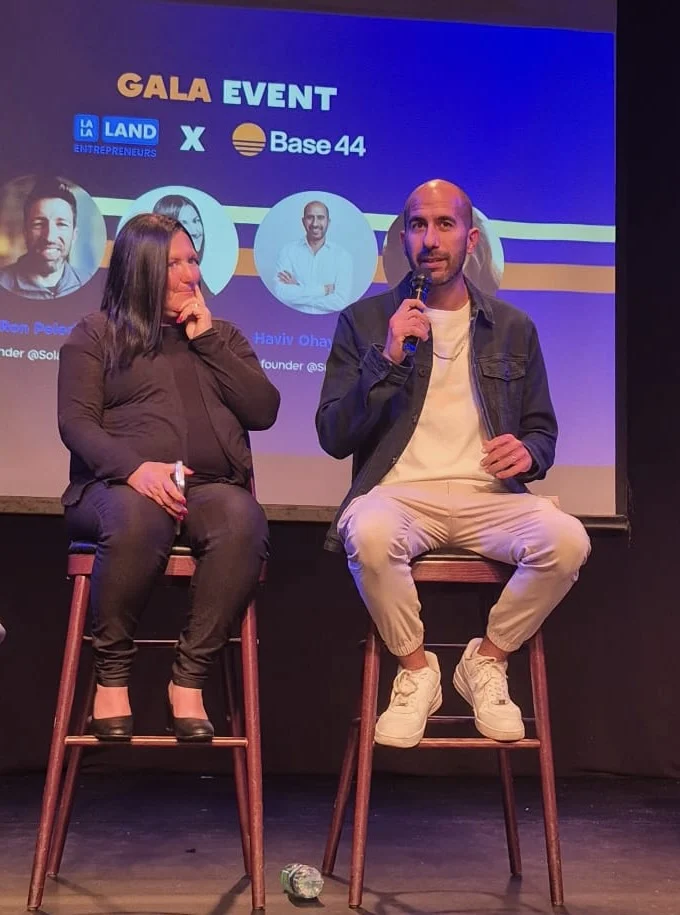
Haviv Ohayon speaking while seated on a gala event panel.
Founder panelCompany-building conversations
  • Company building after the first round
  • Product and market
  • Go-to-market
  • Enterprise sales

Straight answers.

The questions founders ask before they send the first note, answered the way I would answer them on a call.

What does working with Haviv Ohayon look like?
Ongoing advisory with a founder or a founding team, full time. Regular working sessions on whatever is actually blocking the company that month rather than a fixed program, and a formal advisor or board seat where the relationship earns it.
Which founders is this for?
Founders who have already raised, hired, and started selling. It works best once there are paying customers, people on payroll, and a round you have to justify, because that is the point where decisions already cost something.
Do you invest in the companies you advise?
No. I am an advisor, not an investor, and I do not write checks. Where the relationship earns it, I take a formal advisor or board seat alongside the advisory work.
How do you know if early traction is repeatable?
Traction is repeatable when the same kind of buyer, with the same problem, buys for the same reason more than once. Three deals that look nothing alike is not product-market fit, it is three coincidences. The work is separating customer evidence that repeats from requests that happened once.
What is the difference between customer interest and real demand?
Demand has urgency, budget, an owner, and a buyer willing to act. Interest has none of those. A positive meeting where nobody can name who signs, which budget it comes from, or what breaks if they do nothing is interest, not demand.
What should a seed-stage company prove before raising the next round?
That the traction repeats, and that the company can explain why. Build the company that deserves the round rather than the story engineered to raise it, and make sure every person on the team can name the specific milestones the company has to hit.

THE TRACTION ISN’T
THE COMPANY YET.

If product, GTM, customers, and team are pulling in different directions, that gap does not close on its own. It widens every month you fund it. Tell me what is working, what is stuck, and what the next round has to prove. I will tell you what I actually think.

Raised, revenue, team size.

And what the next round has to prove.